Here are key digital-marketing trends to watch for 2026, especially relevant if you’re operating in India (and globally) and want to stay ahead. I’ll also include what you can do now to prepare for each one.
1. AI-Powered Personalization & Automation


What’s happening:
-
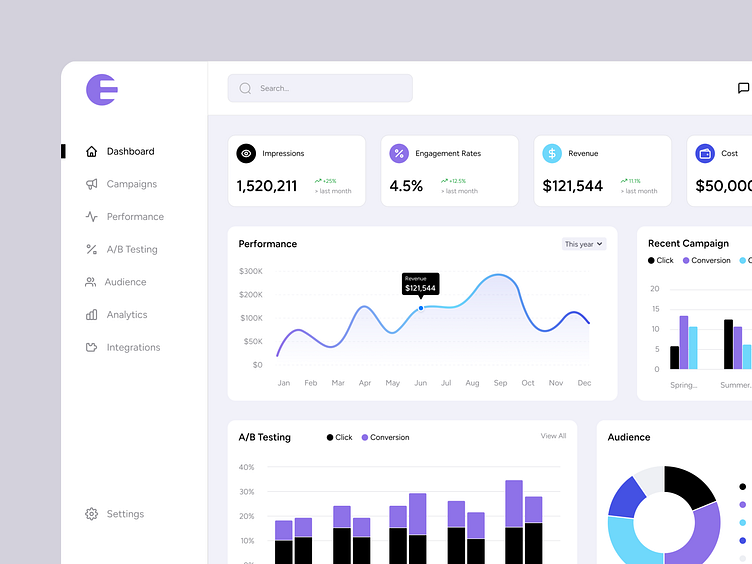
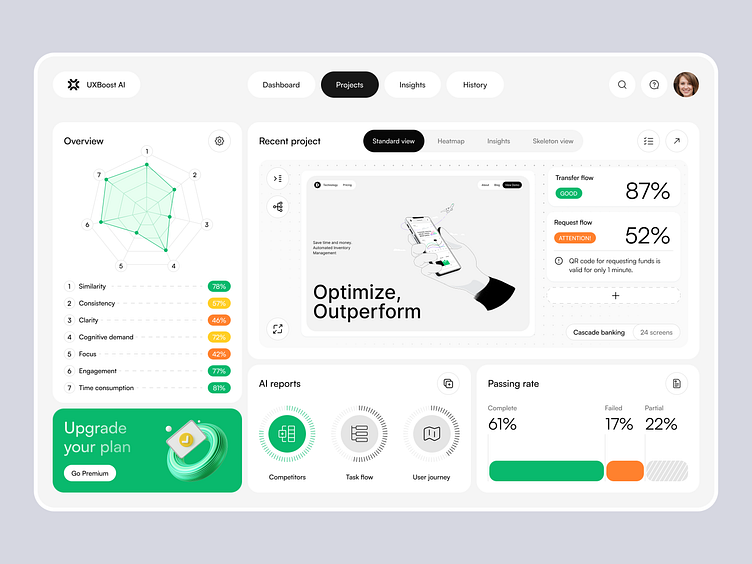
Brands are using AI not just to assist but to drive campaigns: generating content, optimizing targeting, adapting creative and budgets in real time. (LinkedIn)
-
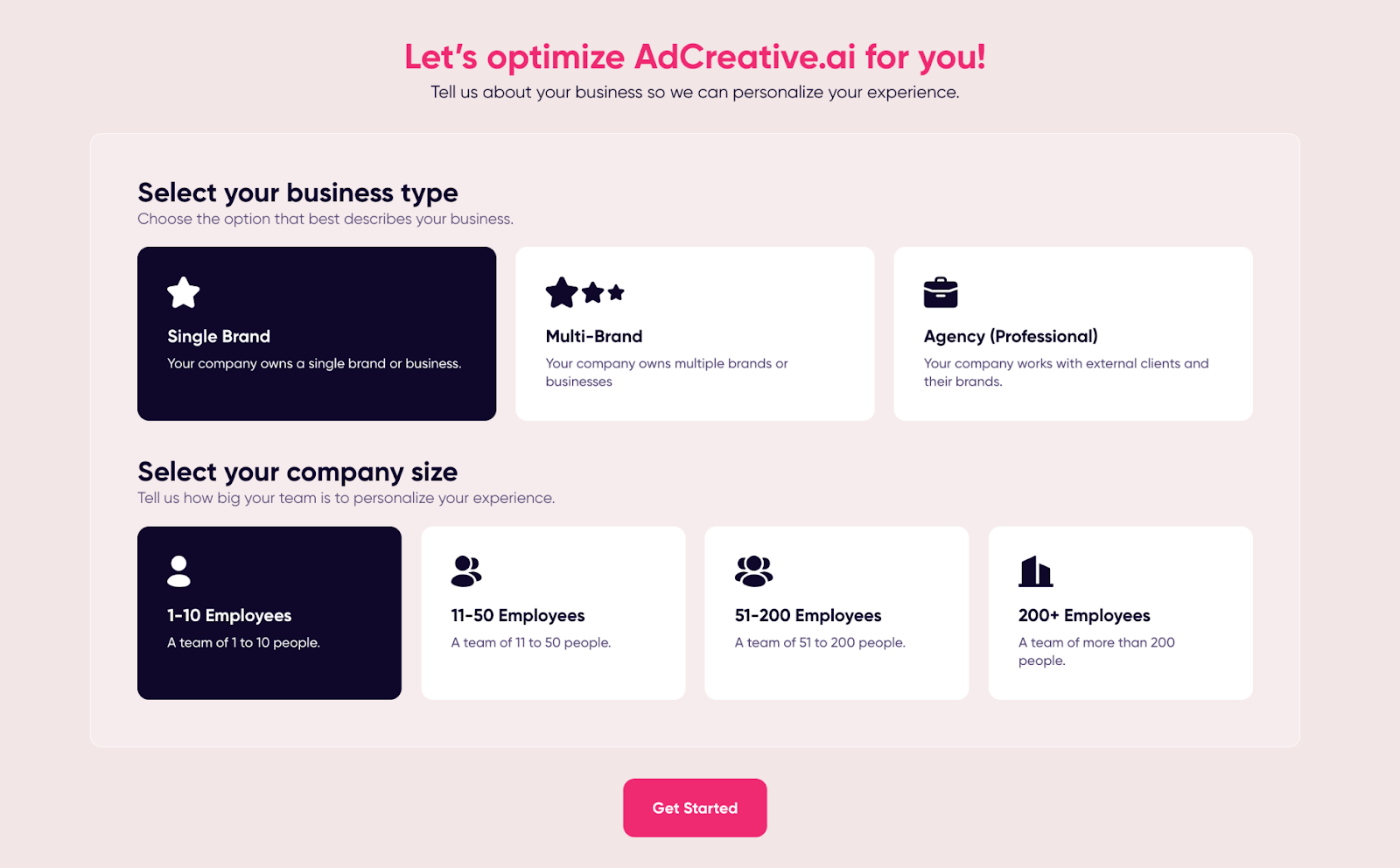
Hyper-personalization: each user’s experience is tailored — emails, site content, product suggestions change based on behaviour, context, and predictive analytics. (Digital Marketing Freelancer in Kochi)
-
Automation of workflows: fewer manual steps, more “AI as co-pilot”. (Cable Blog)
What to do now:
-
Invest in a good customer-data platform (CDP) + AI-friendly tools so you can start gathering and activating first-party data.
-
Begin testing AI-driven content/ads on a smaller scale (e.g., dynamic ad copy, segmented landing pages) to build experience.
-
Build your team’s capability: understanding how to interpret AI outputs, ensuring brand voice + human oversight.
2. Voice, Visual Search & New Search Paradigms


What’s happening:
-
More people search by speaking (smart assistants) or by image/visual input → your SEO strategy must adapt. (Medium)
-
“Answer engines” and AI-driven search (vs classic keyword search) are gaining traction. (LinkedIn)
What to do now:
-
Optimize your site and content for natural-language queries (think conversation, question-and-answer style).
-
Add/optimize imagery with appropriate metadata, make content usable for visual search.
-
Consider how your brand appears in “zero-click” results and smart assistant contexts (e.g., voice summaries).
3. Immersive & Interactive Experiences (AR/VR/Spatial)
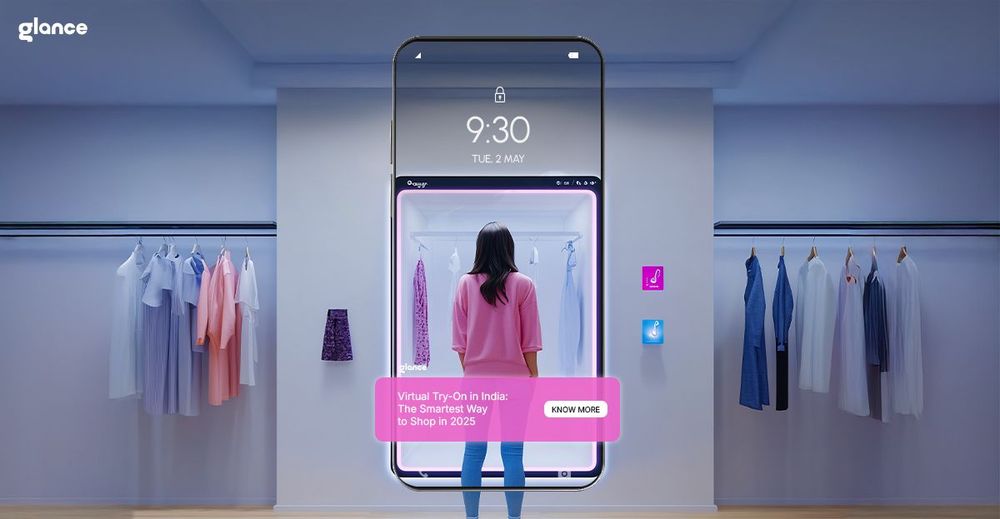
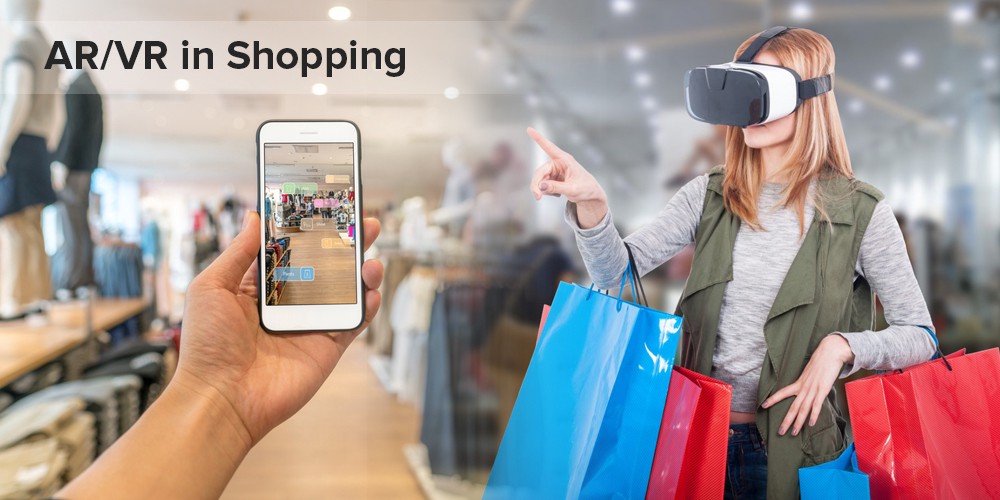
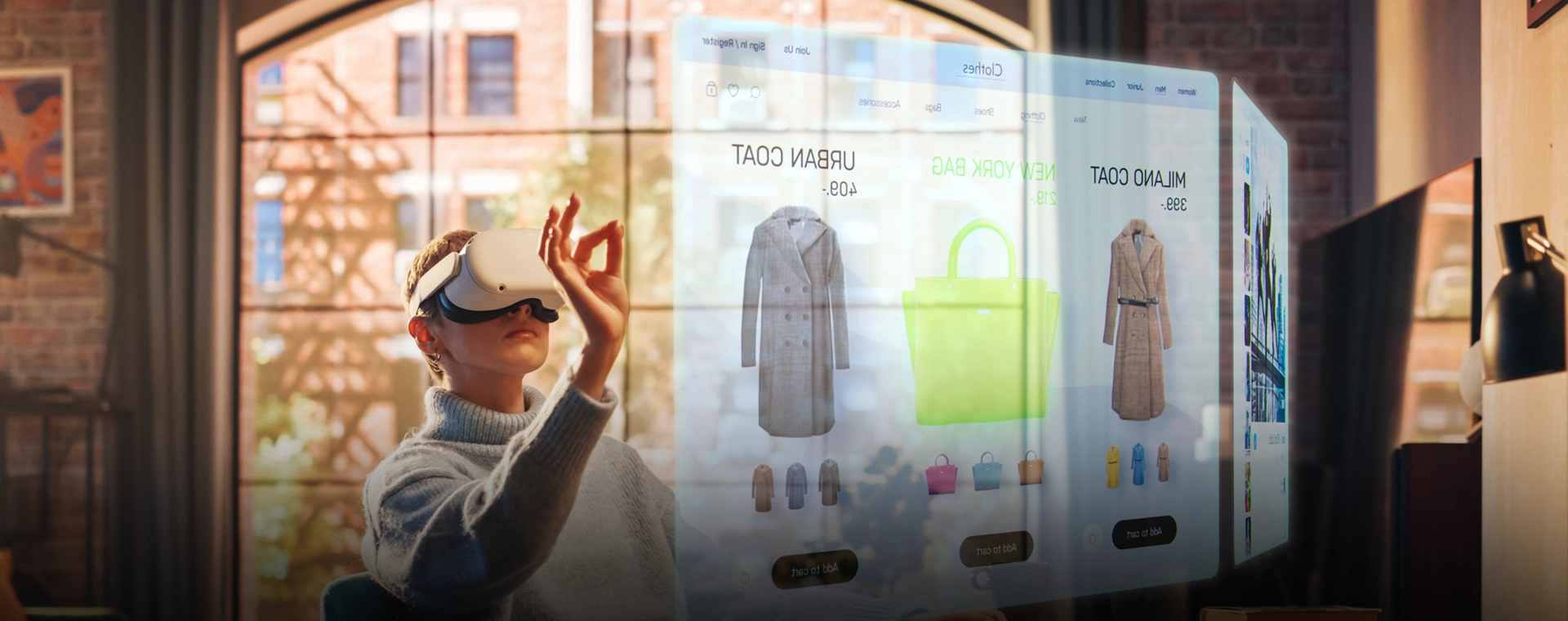


What’s happening:
-
Immersive technologies (AR, VR, “metaverse”-adjacent) are becoming more mainstream in marketing, not just experimental. (daretocome.com)
-
Interactive content (quizzes, polls, 3D product demos) are being used to collect data and deepen engagement. (Cable Blog)
What to do now:
-
Explore pilot projects: e.g., AR product try-on, virtual showroom for top SKUs.
-
Incorporate interactive elements into your campaigns to both engage and capture first-party data.
-
Make sure your infrastructure (mobile app or website) supports such experiences smoothly in Indian context (mobile speed, data usage, etc.).
4. Privacy-First / First-Party Data & Cookieless Future


What’s happening:
-
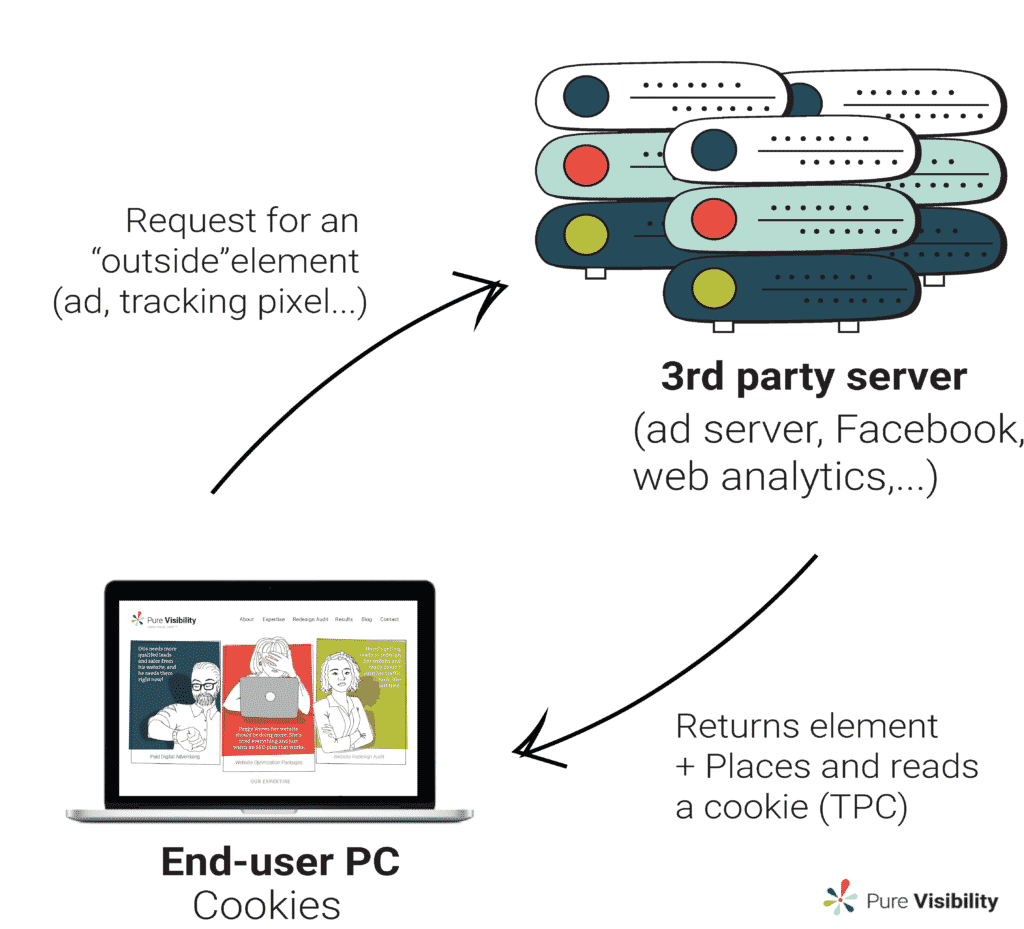
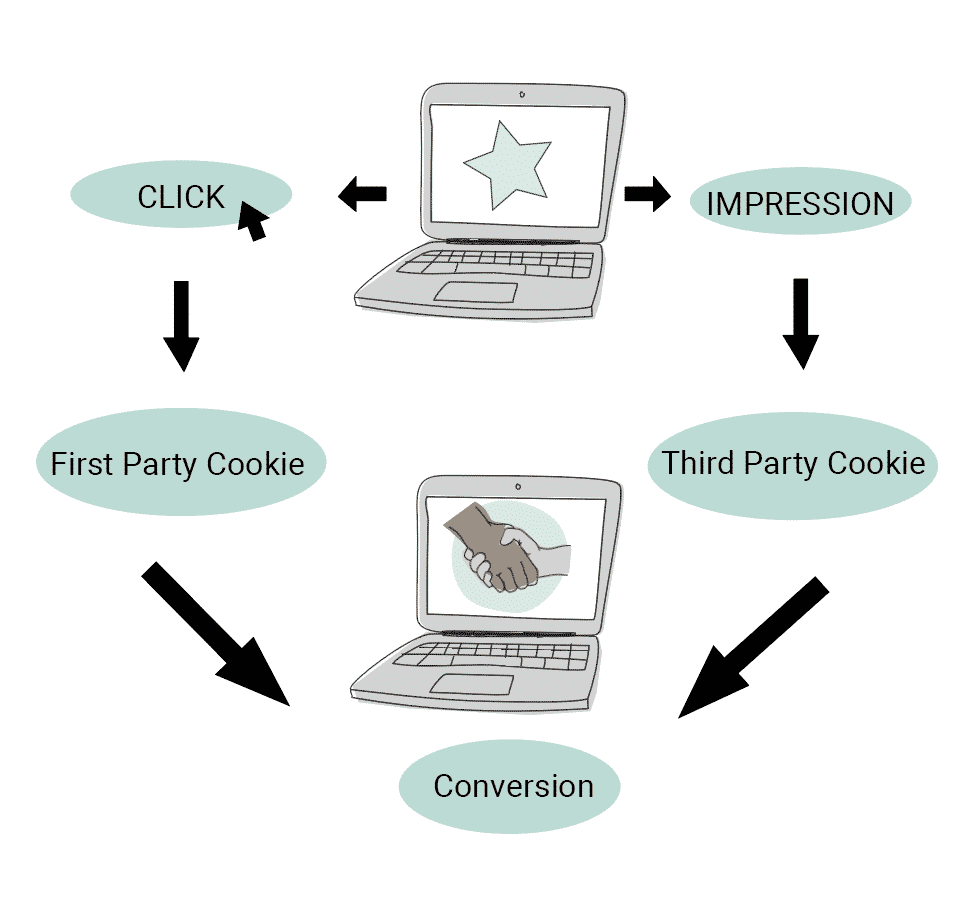
With third-party cookies being deprecated and privacy regulations tightening, brands need to rely on first-party/zero-party data. (Medium)
-
Transparency and trust in how data is collected, used and protected become differentiators. (Digital Discovery Institute)
What to do now:
-
Start building/strengthening your first-party data collection: loyalty programs, preferences, opt-in data.
-
Audit your tracking, consent mechanisms and analytics stack (e.g., GA4, server-side tracking).
-
Communicate clearly with your customers about data use: build trust.
5. Short-Form Video & Snackable Content


What’s happening:
-
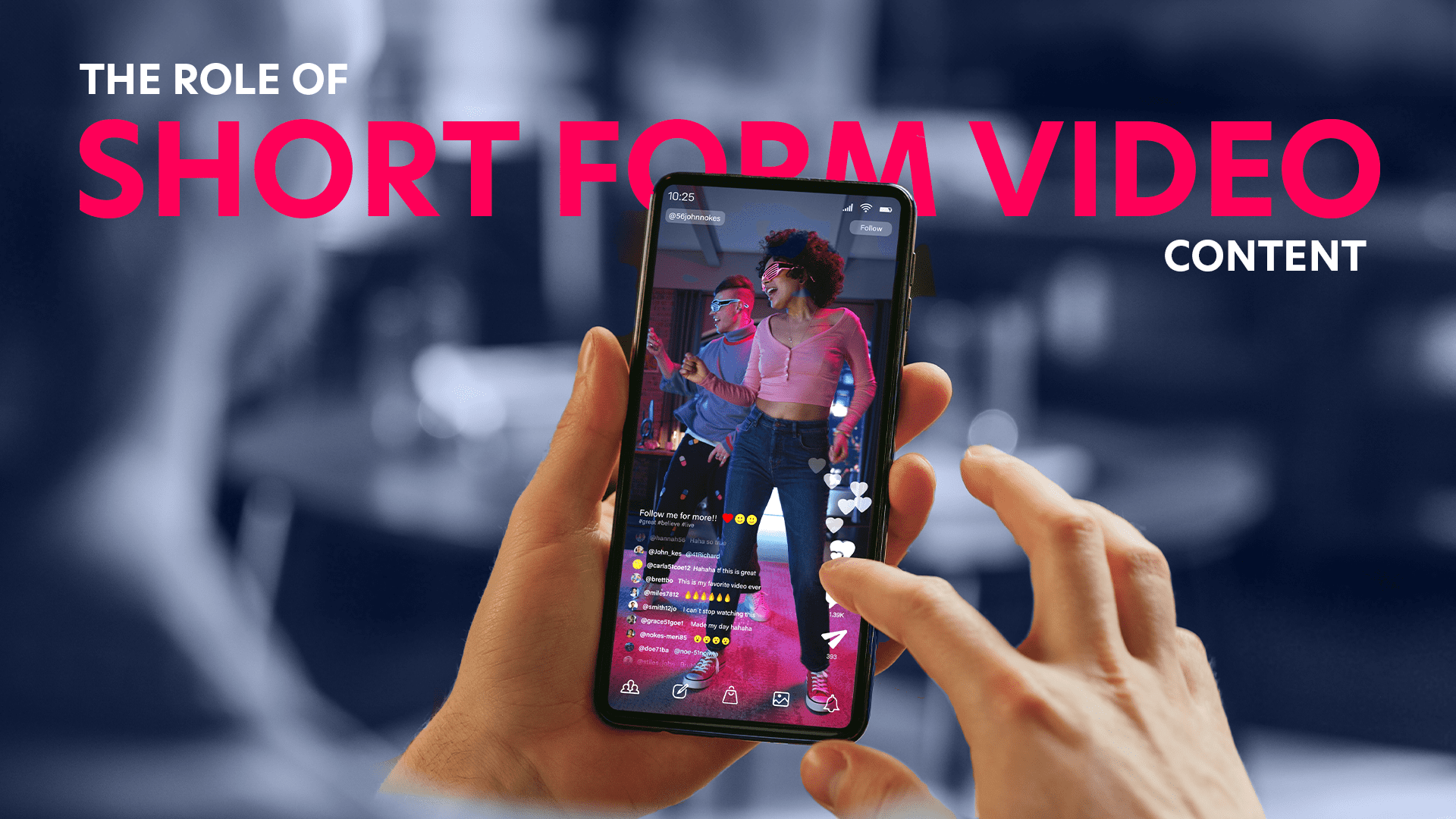
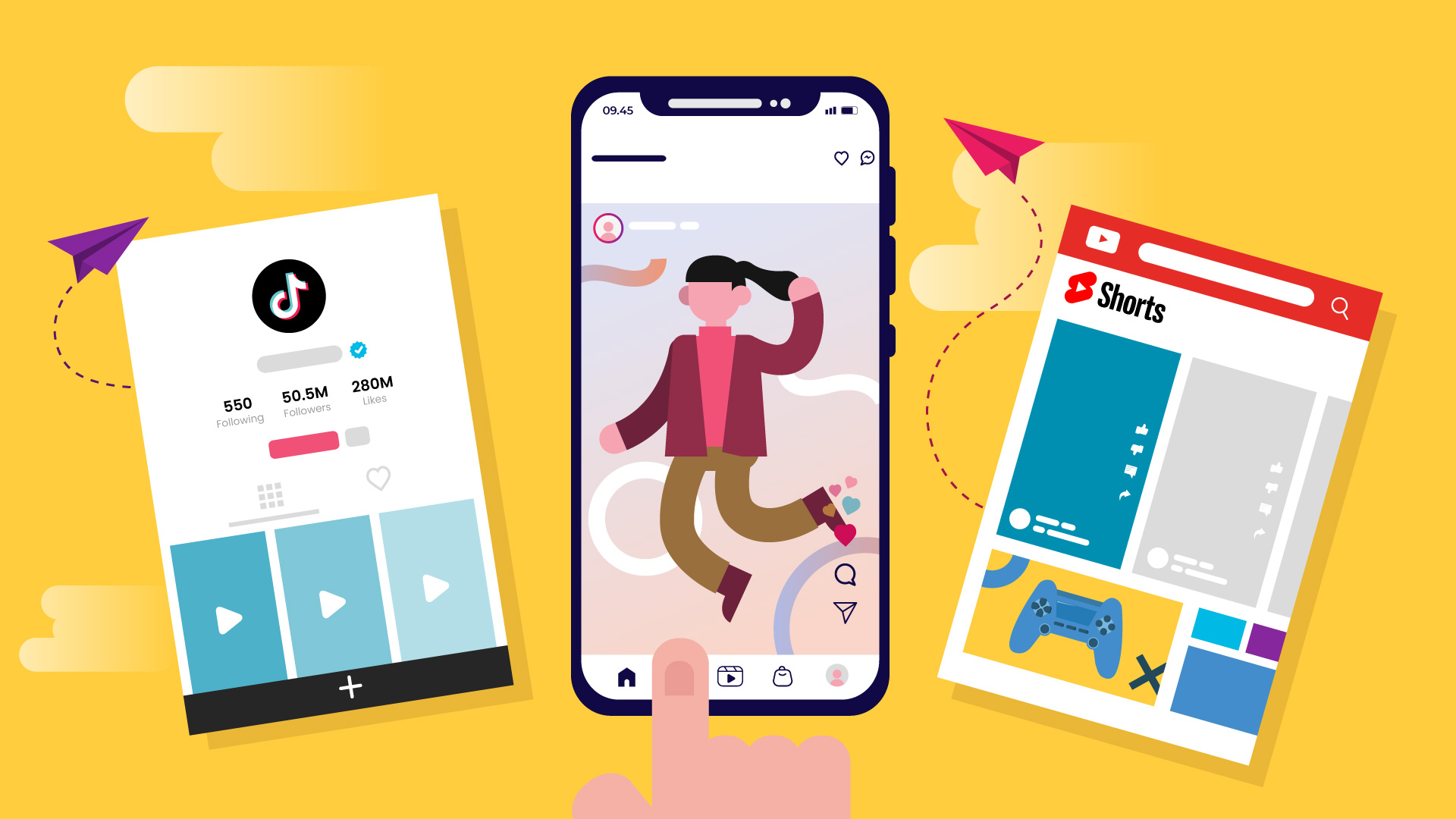
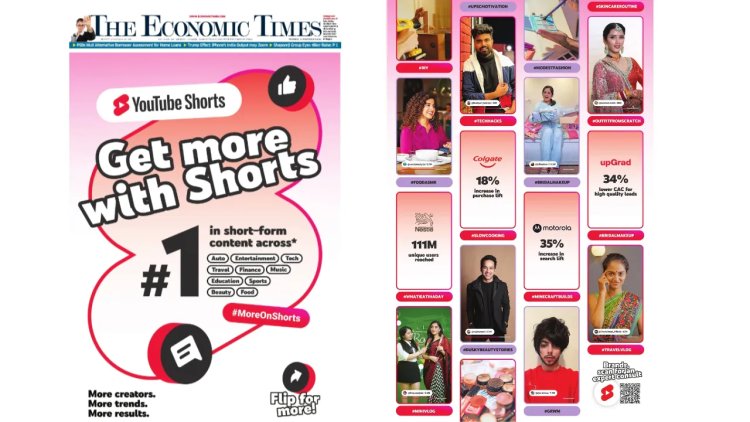
Short-form video (like Reels, Shorts, TikTok format) continues to dominate attention on mobile. (skollmedia.com)
-
Brands are shifting from long-form to snackable, mobile-first storytelling.
What to do now:
-
Ensure you have a content pipeline for short‐form video: ideation, production, distribution.
-
Adapt storytelling to mobile context: vertical format, quick hook, value immediate.
-
Measure micro-metrics: view rate, scroll drop-off, conversion from video to action.
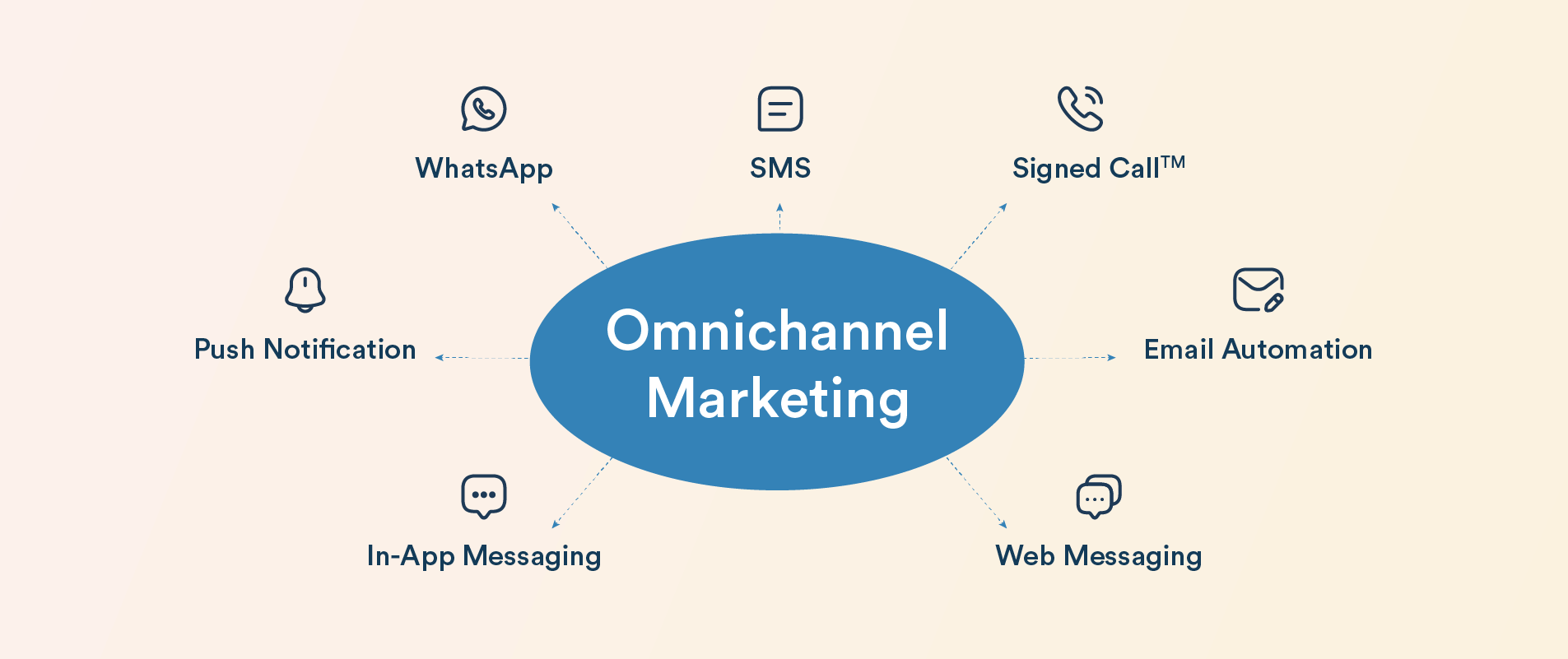
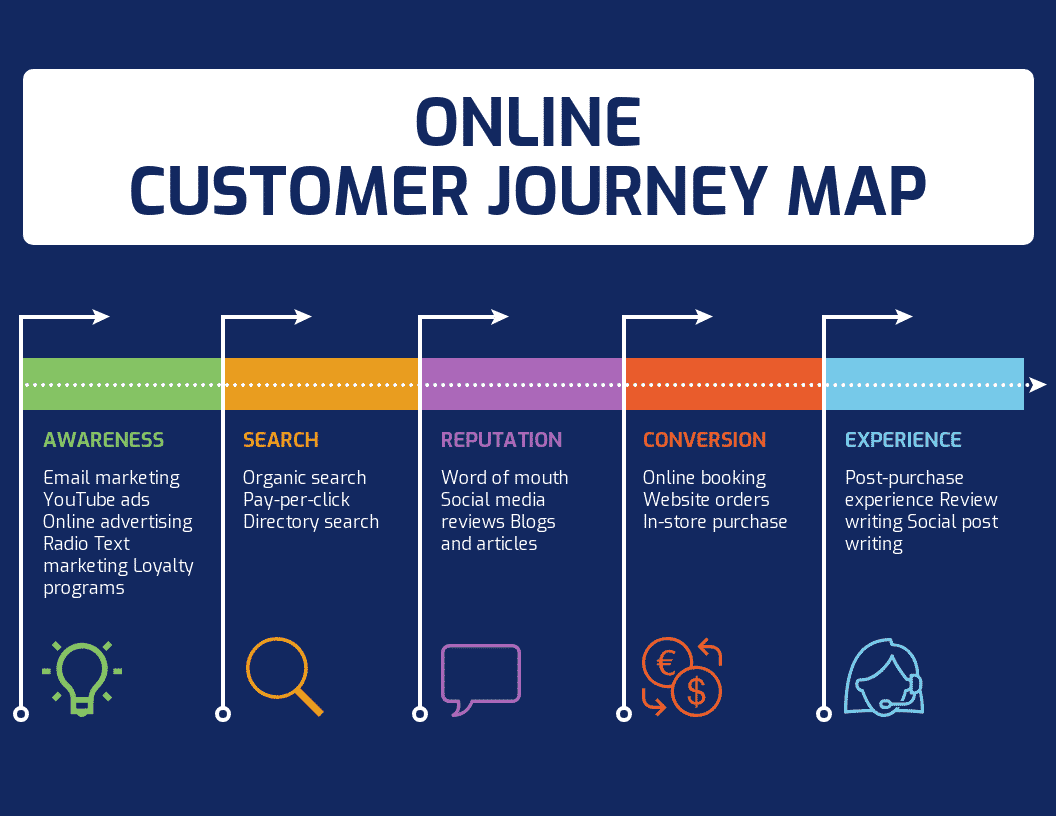
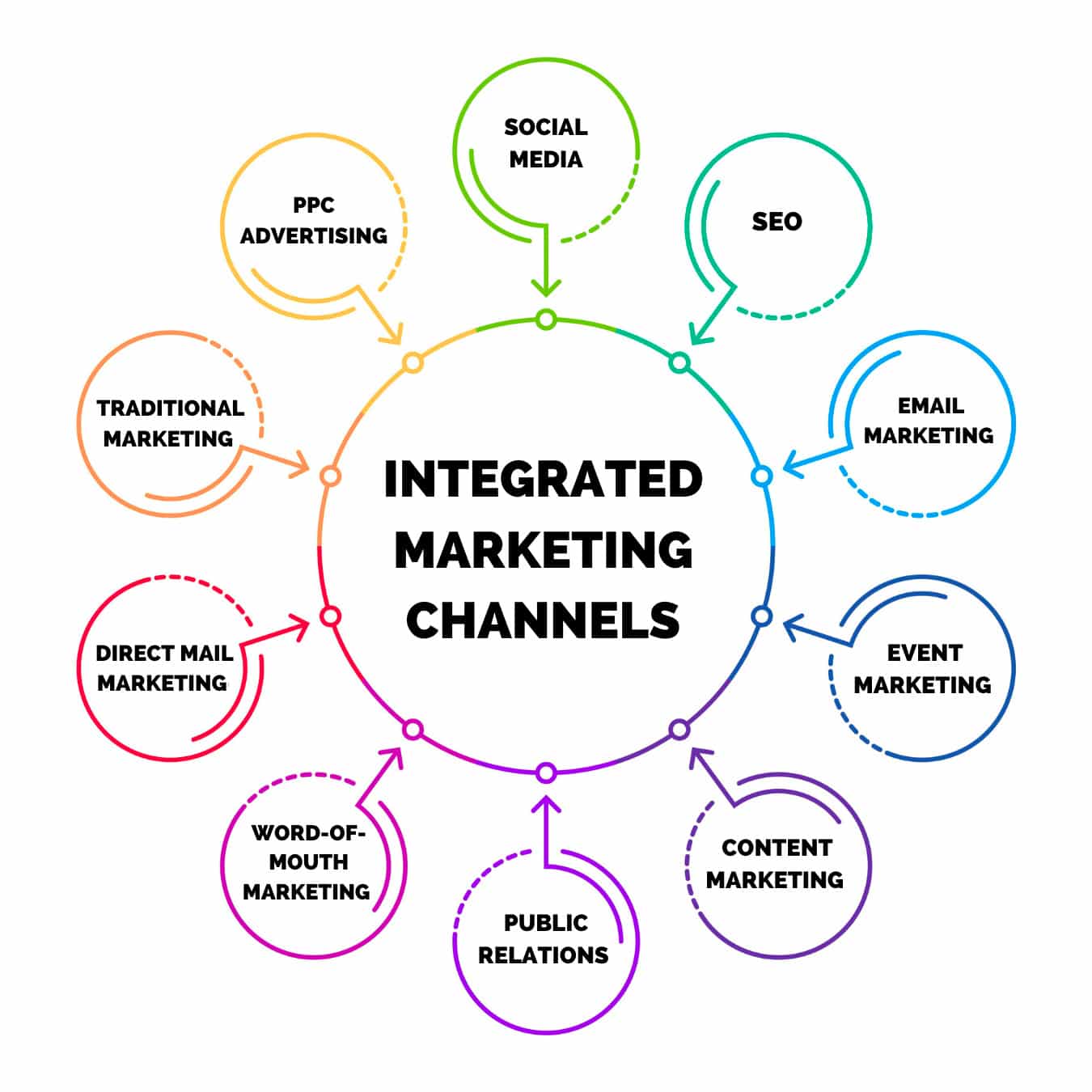
6. Omnichannel & Seamless Customer Journey



What’s happening:
-
Consumers traverse many touchpoints (social → site → app → offline). The expectation: seamless experience across them all. (Lounge Lizard)
-
Integration of online and offline (or mobile/web and in-store) becomes more important.
What to do now:
-
Map your customer journey end-to-end and identify gaps/disconnects.
-
Use tools to unify data across channels so you can personalise not just by channel but by journey stage.
-
Make content/message consistent, yet adapt to channel context.
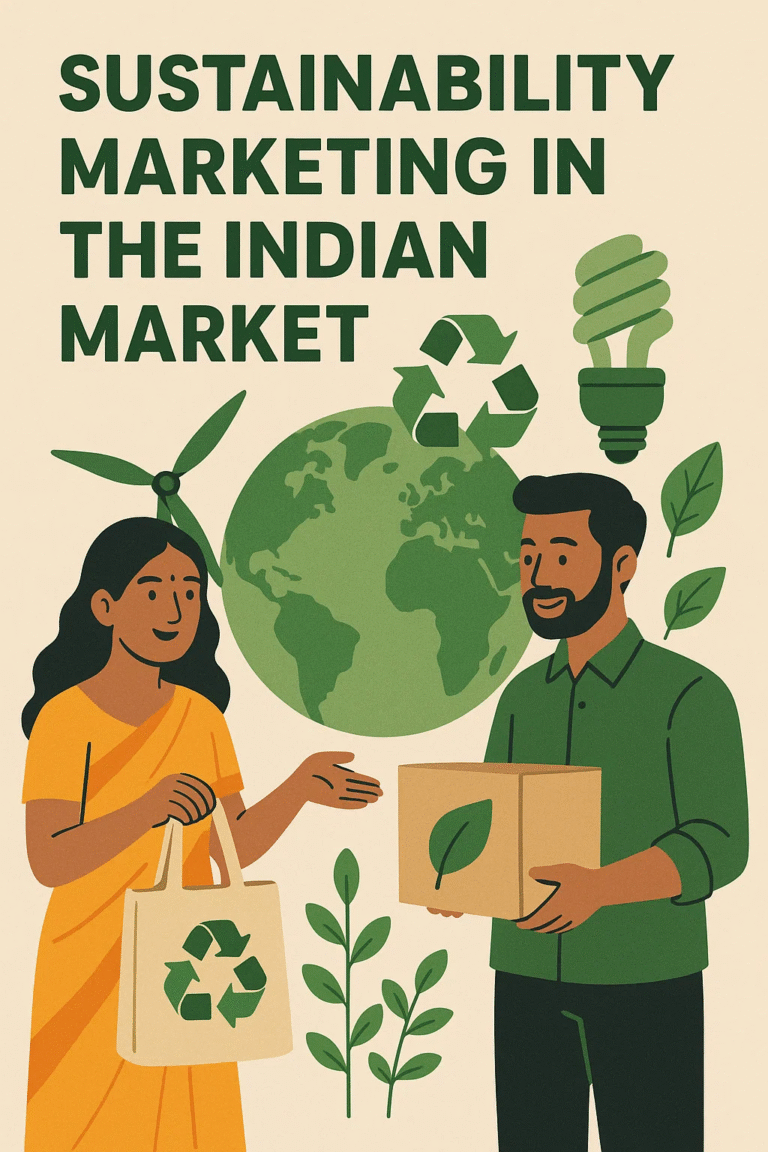
7. Purpose-Driven, Ethical & Value-Led Marketing


What’s happening:
-
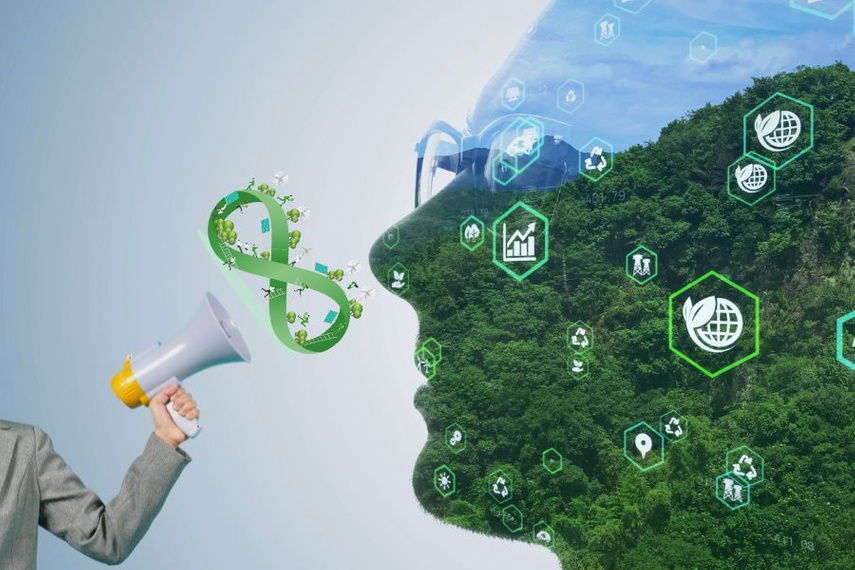
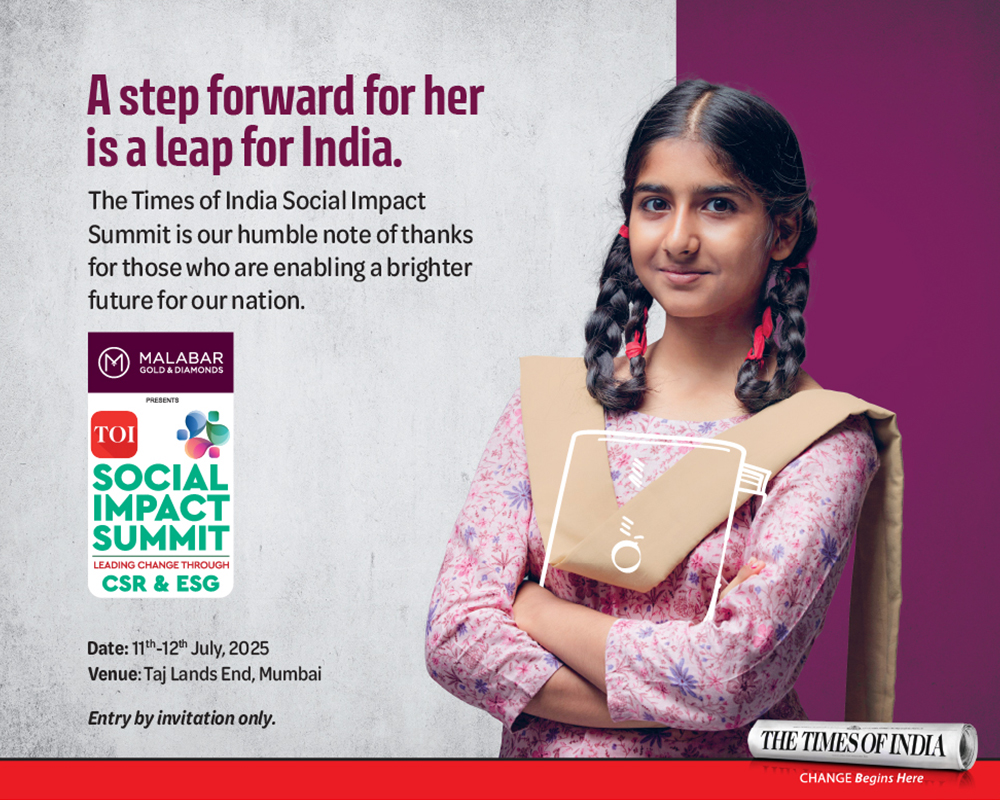
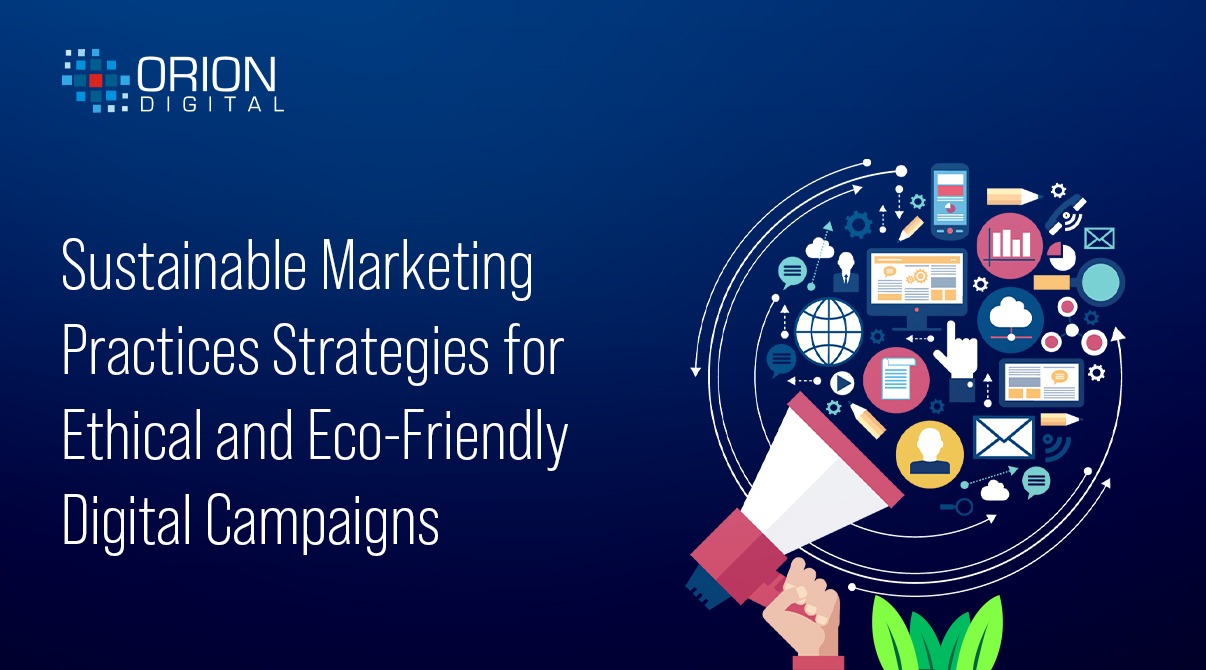
Especially among younger audiences, brand values matter. Authenticity, sustainability, ethical sourcing—these are no longer optional. (youromega.com)
-
Marketing is shifting from “selling product” to “engaging human values + community”.
What to do now:
-
Review your brand story: is it aligned with values and is that communicated openly?
-
Avoid “green-washing” or superficial claims: authenticity is key.
-
Integrate value-led messaging in campaigns and back it up with actions.
8. Social Commerce & Shoppable Experiences


What’s happening:
-
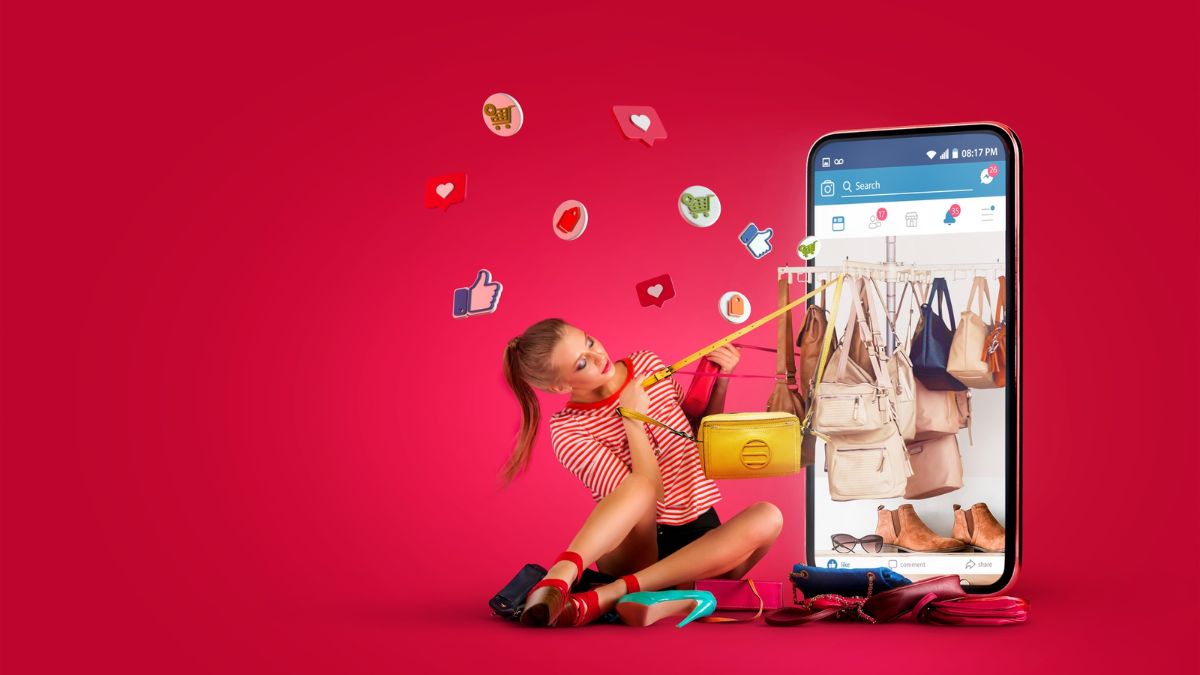
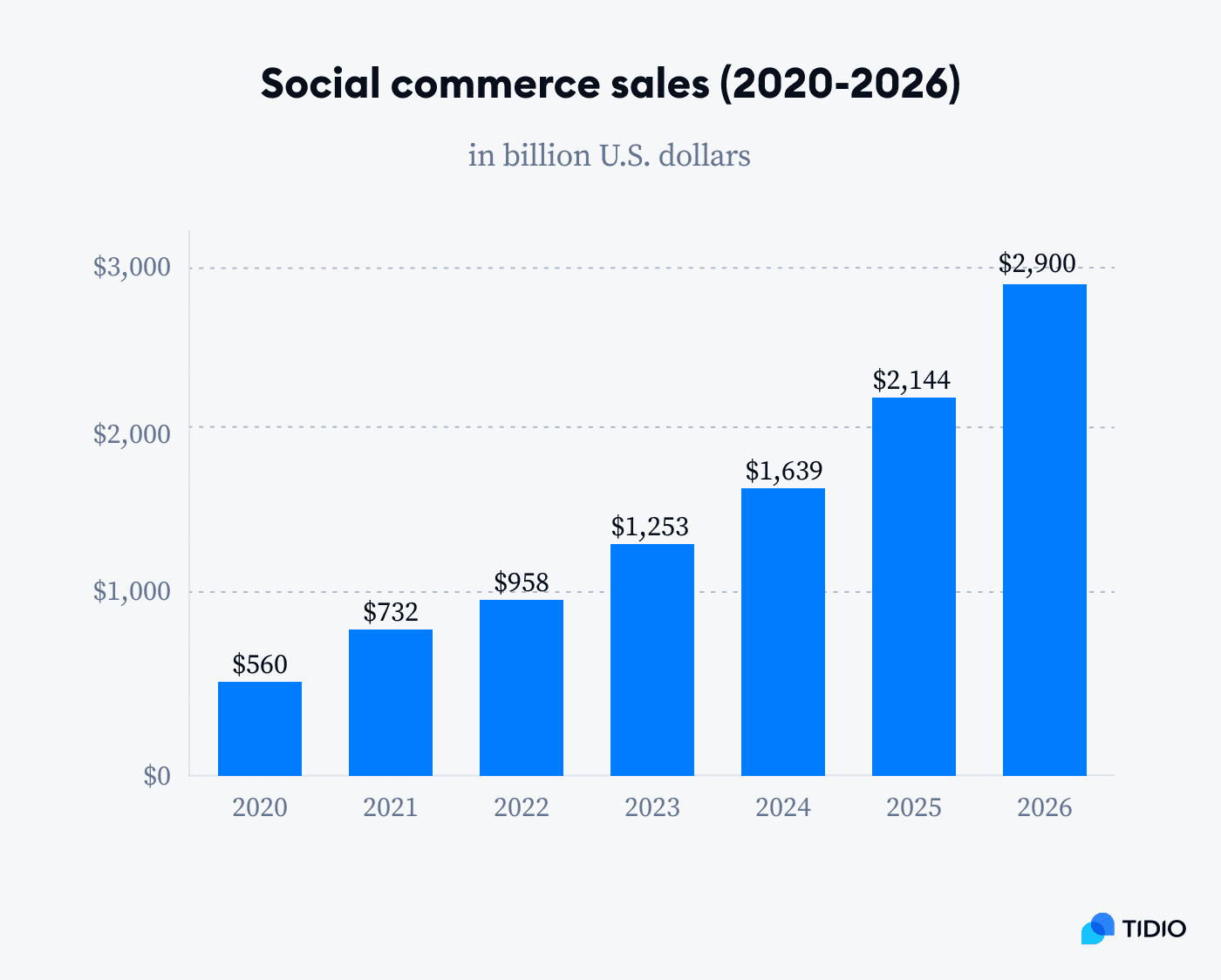
Social platforms are increasingly enabling full commerce: discovery → checkout without leaving the app. (Cable Blog)
-
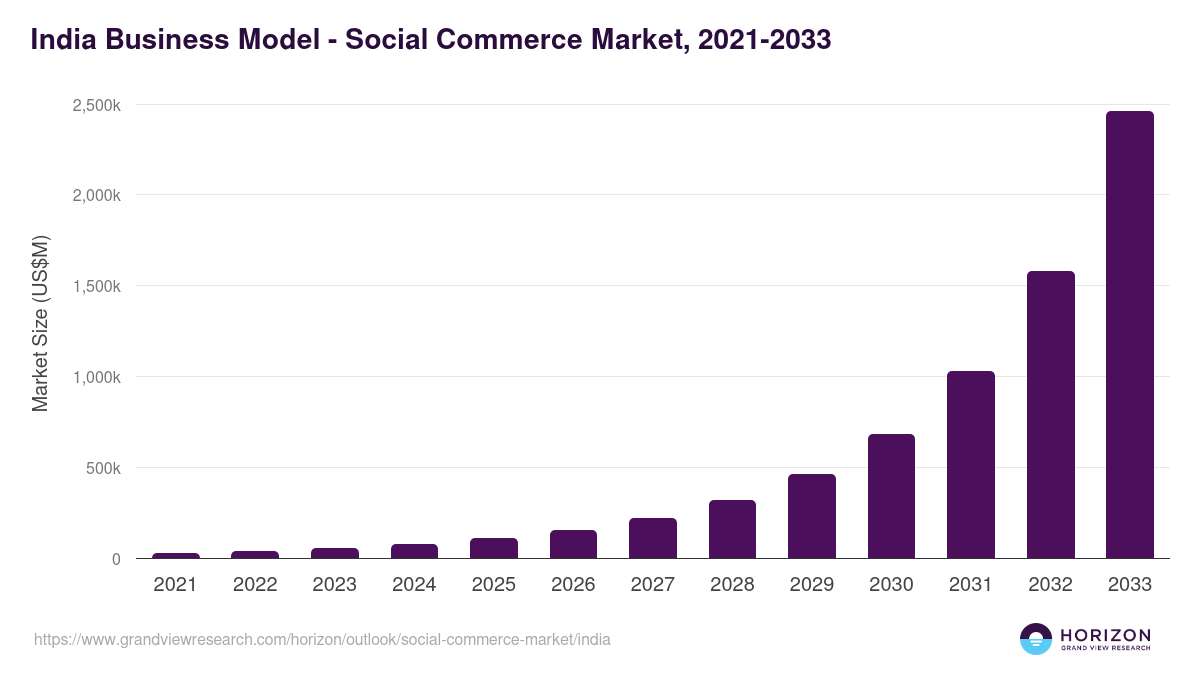
Particularly in markets like India, quick commerce, local commerce, social commerce are growing fast. (India Digital Advtg)
What to do now:
-
Explore integrating “buy now” options in your social content (Instagram shopping, live commerce etc.).
-
Leverage influencers + creators to drive commerce (not just awareness).
-
Ensure your mobile checkout and logistics are ready for social-led conversions.
Summary
For 2026, the big theme is “intelligent, human-centric, value-driven experiences at scale.”
That means:
-
AI + data = smarter marketing
-
Privacy, authenticity, values = trust and differentiation
-
Content formats and channels evolving (short-form video, voice/visual search, immersive)
-
Seamless journeys across channels, with commerce built in
If you focus on building foundations now (data, tooling, content capability, values alignment), you’ll be well-positioned to leverage the shifts.
If you like, I can pull together a detailed “playbook” for Indian businesses (e-commerce / local services / D2C) mapping how to execute on these trends step-by-step in 2026. Would you like me to prepare that?