Here’s a deeper look at digital-marketing trends in India for 2026, with a special emphasis on how they tie into the bigger picture of the country’s push for a self-reliant digital ecosystem (Aatmanirbhar Bharat). I’ll break it into major trend areas + what it means for Indian businesses + what you can start doing now.
1. Vernacular & Regional-first Content + “Bharat” Digital

What’s happening
-
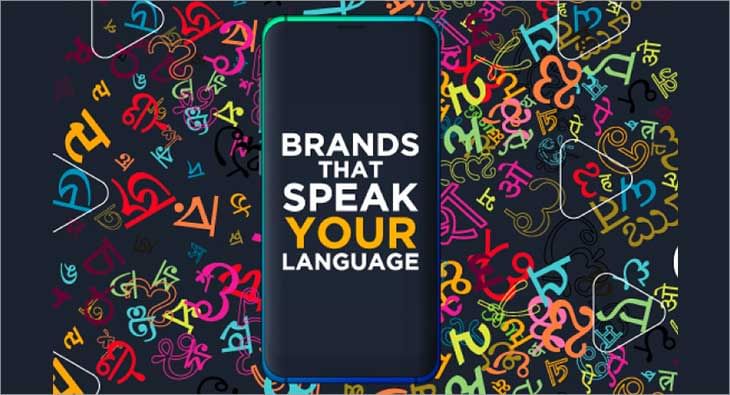
Over 73 % of internet subscribers in India now consume content in regional/local languages (Hindi, Tamil, Marathi, Telugu…). (India Digital Advtg)
-
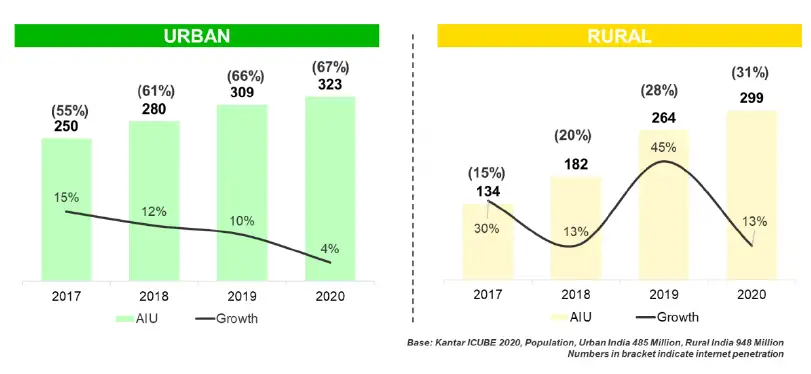
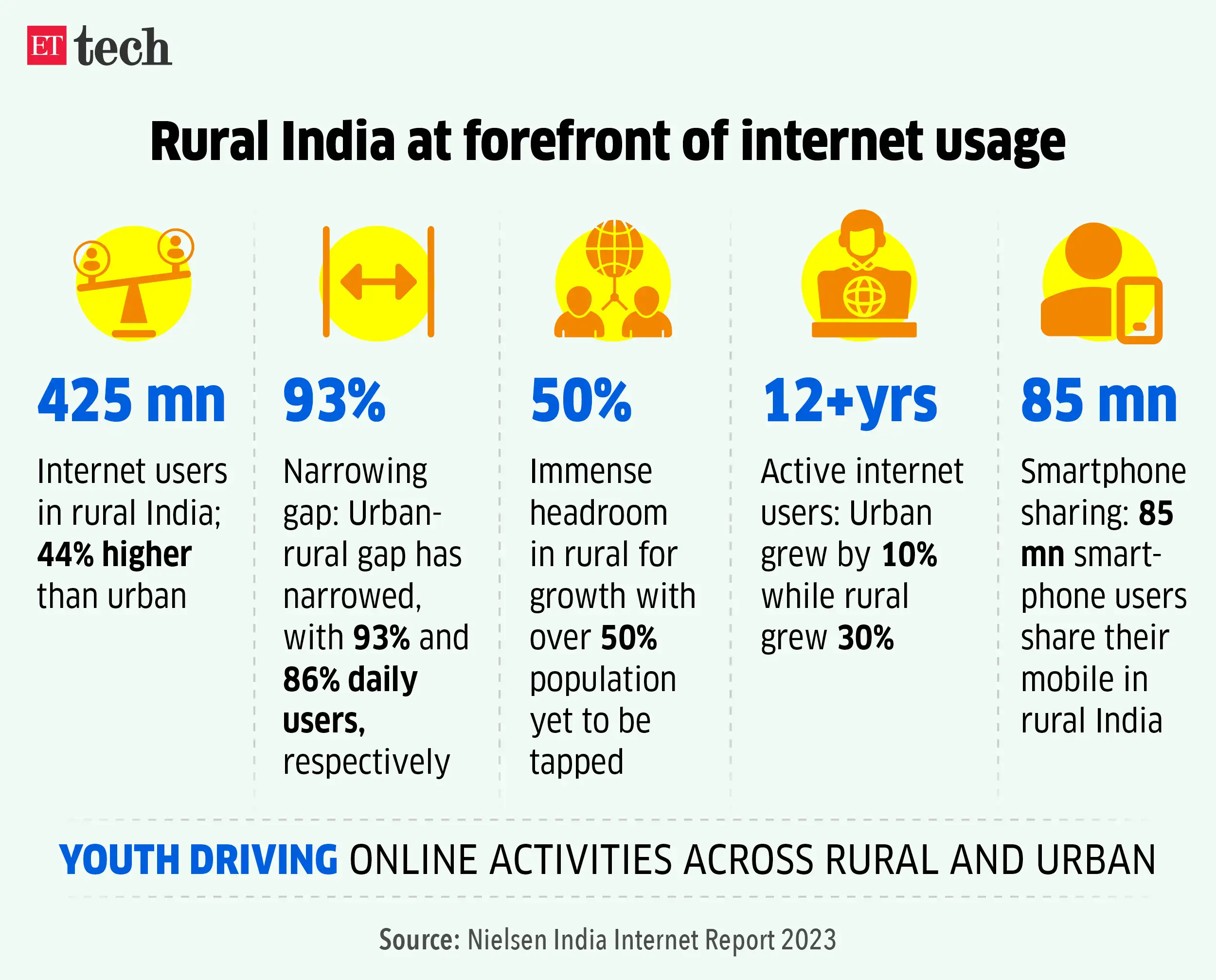
Brands are shifting their marketing strategies toward tier-2 and tier-3 cities (“Bharat”) with regional language content and hyper-local targeting. (India Digital Advtg)
-
In the broader self-reliant ecosystem frame: the push for local platforms, local content creators, regionally-adapted experiences helps build an Indian digital ecosystem less dependent on global English-only models.
What this means for business
-
If your business currently focuses only on metro/urban English-speaking audiences, you’re missing large growth potential.
-
Creating content in regional languages, localizing visuals/messaging, optimizing for local search behaviour is no longer optional but essential.
-
You also gain a strategic edge: less competition, often lower costs (CPC/CPA) and higher engagement in regional segments.
What you can start doing now
-
Audit your content: How much is regional? Which languages matter for your market?
-
Build a regional language content calendar (videos, posts) for your top 2–3 languages beyond English.
-
Adjust targeting: local keywords, location-based campaigns, geo-segmentation.
-
Partner with regional creators/influencers for authenticity.
2. AI, Automation & First-Party Data in Indian Context


What’s happening
-
India’s AI market is growing quickly; brands are embedding AI for personalization, predictive analytics, dynamic content. (India Digital Advtg)
-
Digital ad spend in India is shifting toward programmatic and automated buying—44 % share expected by 2026. (SocialSamosa)
-
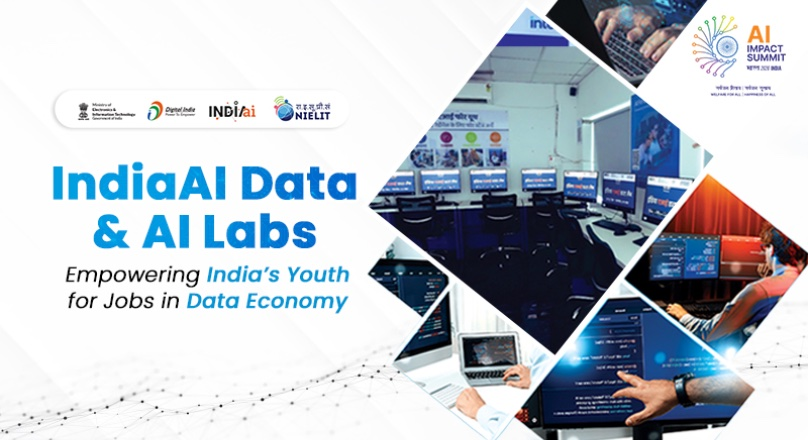
In the self-reliant ecosystem sense: building in-house AI/ML capabilities, using Indian platforms/tools, reducing dependency on foreign tech stacks becomes a strategic advantage.
What this means for business
-
You’ll need to move from one-size-fits-all campaigns toward hyper-personalized flows: content, offers, timing tailored per user. (Digital Discovery Institute)
-
Automation means you can scale while maintaining relevance—especially important given India’s scale and diversity.
-
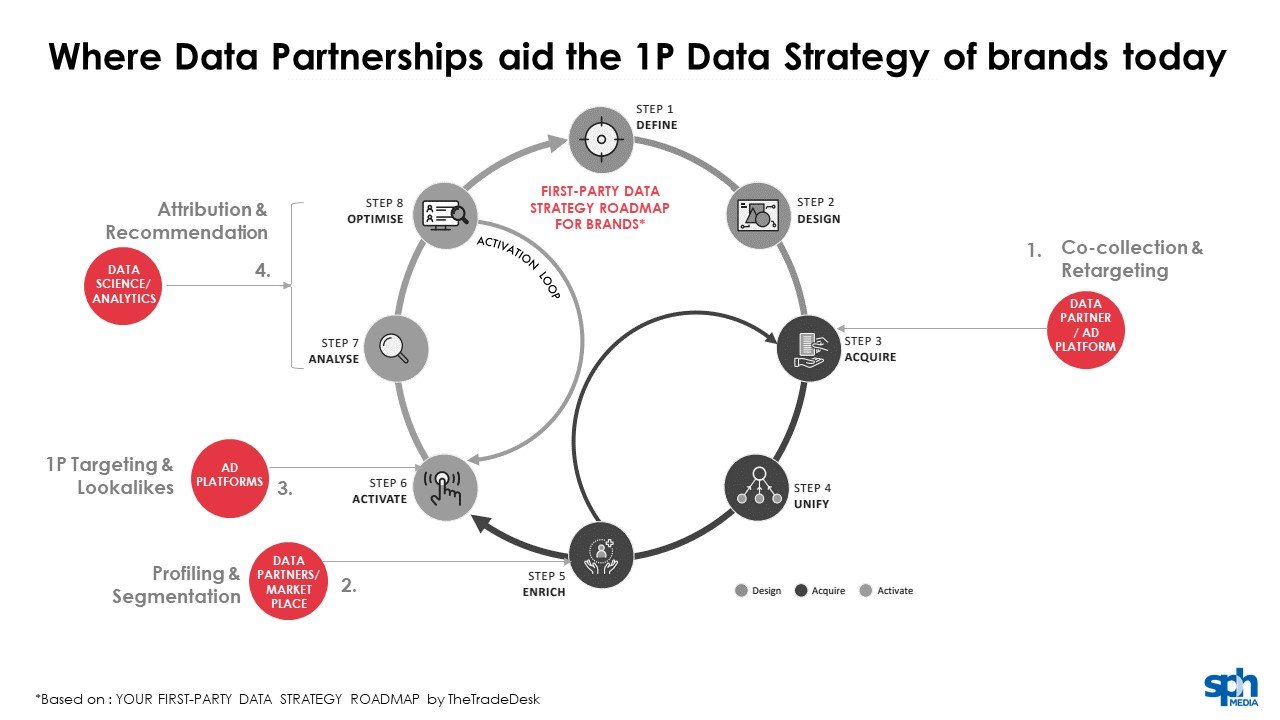
First-party data becomes crucial (especially with global privacy shifts)—you collecting and owning data is more strategic than ever.
What you can start doing now
-
Audit your data: What first-party data do you collect (email, behaviour, preferences)? How is it organized?
-
Evaluate AI/automation tools: chatbots in regional languages, dynamic creative, predictive analytics.
-
Develop content & campaigns that adapt based on user segments—not just languages but behaviours, device types, etc.
3. Social Commerce, Video-first, Short-Form & Regional + Local



What’s happening
-
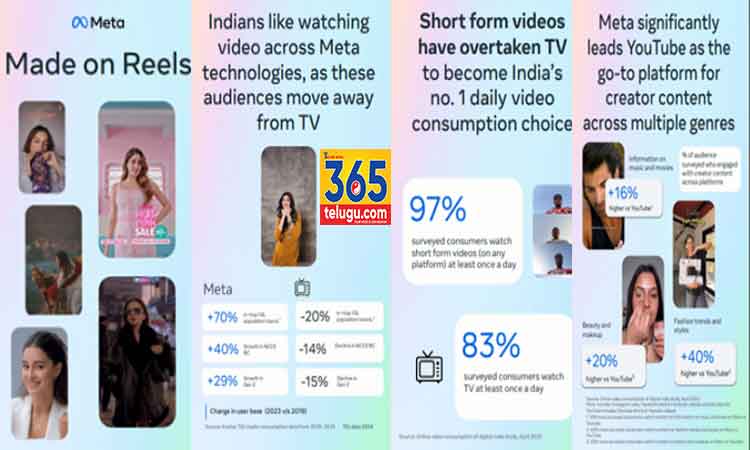
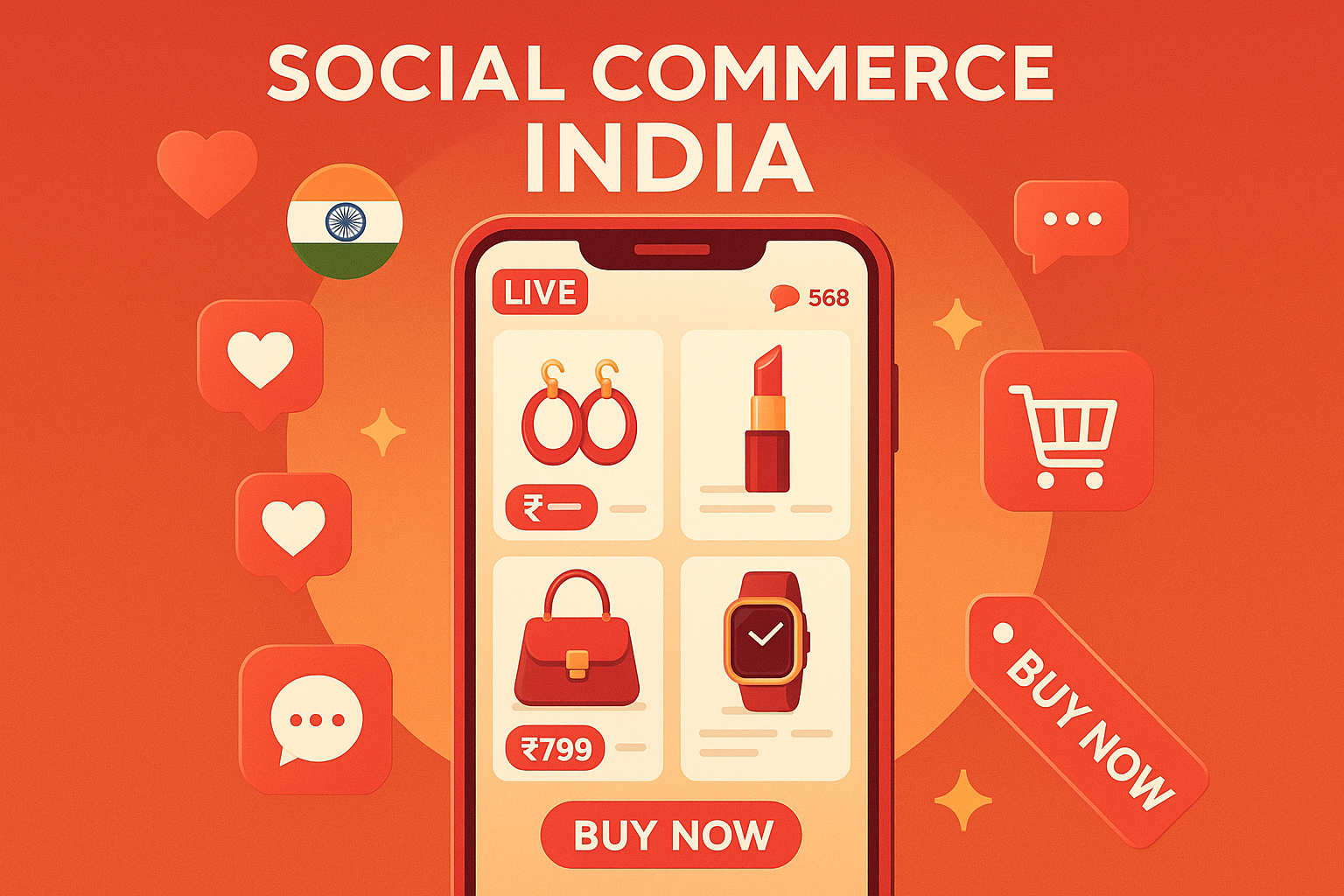
Short-form video (Reels, Shorts) and social commerce (shop inside social apps) are growing rapidly in India. (Royalways Technologies)
-
There’s also an increased focus on “local commerce” – combining social + local/regional reach (tier-2, tier-3) rather than just metro audiences.
-
For a self-reliant ecosystem: local video creators, home-grown platforms, Indian social commerce models all support building the domestic digital economy.
What this means for business
-
Video content needs to be a priority: mobile-first, short, engaging, designed for shareability and conversion.
-
Social platforms are not just for awareness—they’re becoming direct shopping channels.
-
Influencer strategy needs to go local/regional: micro and nano-influencers in regional languages and geographies can drive higher trust and ROI. (Digital Discovery Institute)
What you can start doing now
-
Create a short-form video strategy: what can you communicate in 15–30 seconds?
-
Integrate social commerce: enable “buy” or “inquire” inside your social posts/videos.
-
Identify local/regional creators in your market, test campaigns with them.
4. Omnichannel, Phygital Experiences & Localisation



What’s happening
-
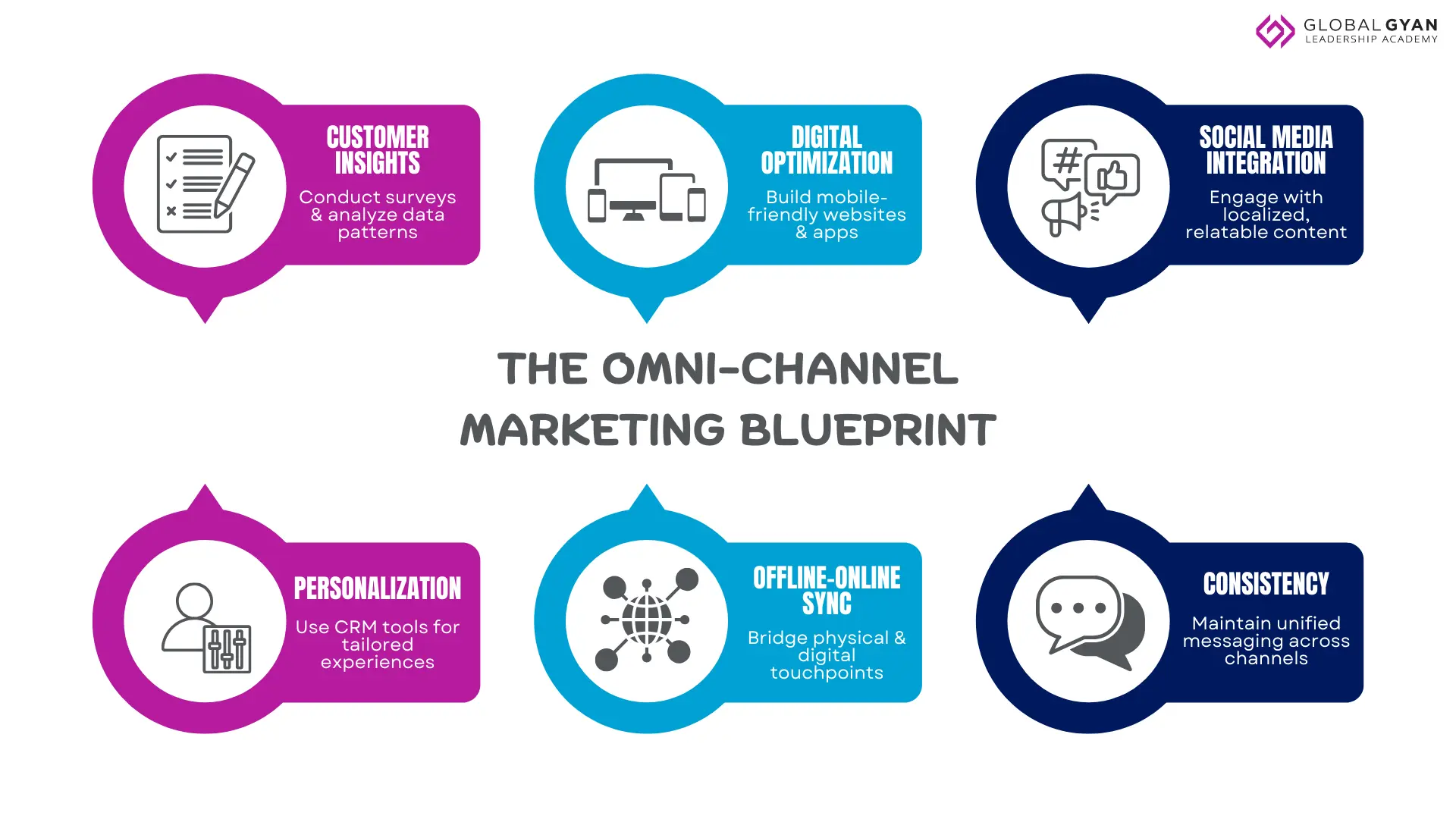
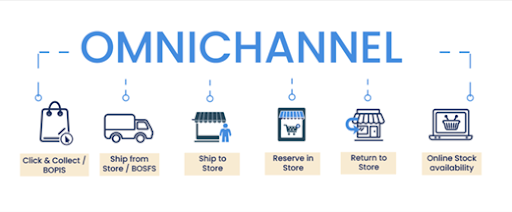
Users in India don’t just live online—they navigate multiple touchpoints: web, mobile, app, social, offline stores. Brands have to deliver seamless experiences across them. (Royalways Technologies)
-
With the self-reliant narrative: building strong domestic retail + digital flows (D2C, local logistics) matters, so marketing must align across digital & physical.
-
Localisation (both language + context + region) remains key.
What this means for business
-
Marketing cannot remain siloed: digital team, offline team, store experience must align.
-
Data and experience continuity: a user should feel the brand is “the same” whether on WhatsApp chat, website, or store.
-
For Indian businesses especially, localisation means adapting to region, device, connectivity (mobile data constraints in tier-3), culture.
What you can start doing now
-
Map your customer journey: How do users move across channels? Where are the drop-offs?
-
Ensure your website/app is mobile-optimised for Indian conditions (low bandwidth, varying screen sizes).
-
Connect your offline data (store visits, pickup, QR scans) with your digital marketing efforts where possible.
5. Privacy, Digital Sovereignty & Ethical Marketing



What’s happening
-
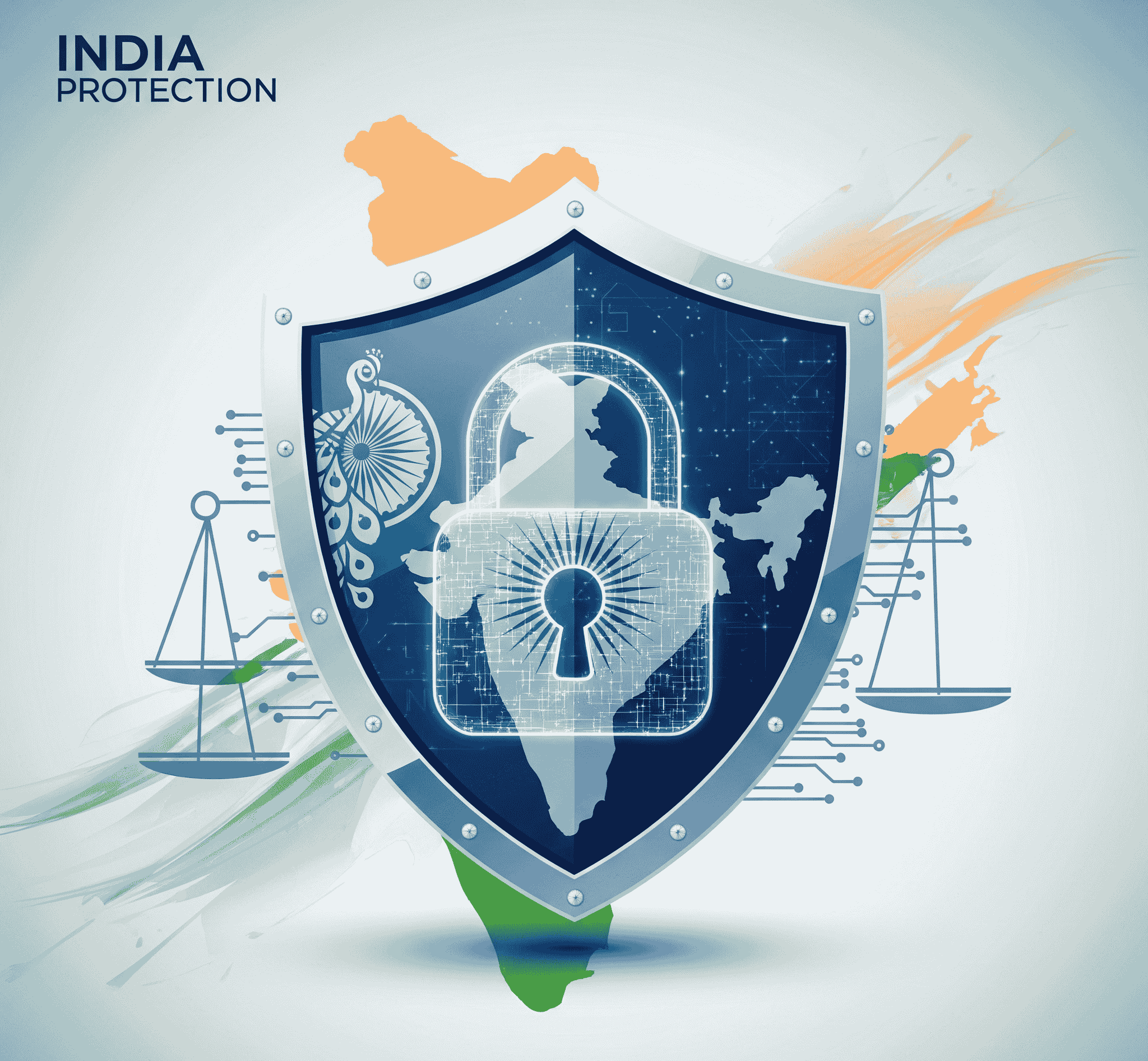
With increased regulation worldwide and in India’s digital space, data privacy, user consent, transparency are becoming non-negotiable.
-
For India’s self-reliant ecosystem goal: reducing dependency on foreign data systems, ensuring local infrastructure, protecting Indian user data become strategic.
-
Marketing will reflect values: sustainable, ethical, transparent brands win more trust. (Royalways Technologies)
What this means for business
-
You must ensure compliance: proper consent, secure data management, transparent uses.
-
Build trust with your audience: even regional users care about how their data is used.
-
Marketing messaging should incorporate brand purpose—not just what you sell, but why and how you operate.
-
Investing in local/Indian tech, platforms might become an advantage.
What you can start doing now
-
Conduct a data audit: how do you collect, store, use customer data? Is it compliant with Indian regulations (and global best practice)?
-
Review your marketing ethics: Are you making claims you can back up? How transparent is your brand story?
-
Consider using Indian/localised tech or platforms (where feasible) so your operations are aligned with the self-reliant ecosystem ethos.
Summary & Strategic Lens for India’s Self-Reliant Digital Ecosystem
-
The overarching theme: “India-first digital marketing at scale + global best practices.”
-
For India’s push toward self-reliance: brands, agencies, creators, tech providers all play a part. Marketing strategies that favour regionalisation, Indian-centric platforms/tools, home-grown data capabilities will thrive.
-
Key success factors: scale and relevance (because India = many languages, regions, socio-economic segments); agility (because digital tech is evolving fast) and trust (because users are increasingly aware).
-
For you (in Sholapur/Maharashtra), this means: think regional (Marathi + Hindi), think mobile-first (many users on budget smartphones/data plans), think connected (offline + online) and think long-term (build data, brand, not just campaigns).
If you like, I can pull together a detailed checklist/playbook specifically for small & medium Indian businesses (especially non-metro cities like Sholapur) for how to implement these 2026 trends step-by-step. Would you like that?